
Ear microsuction
Ear Suctioning
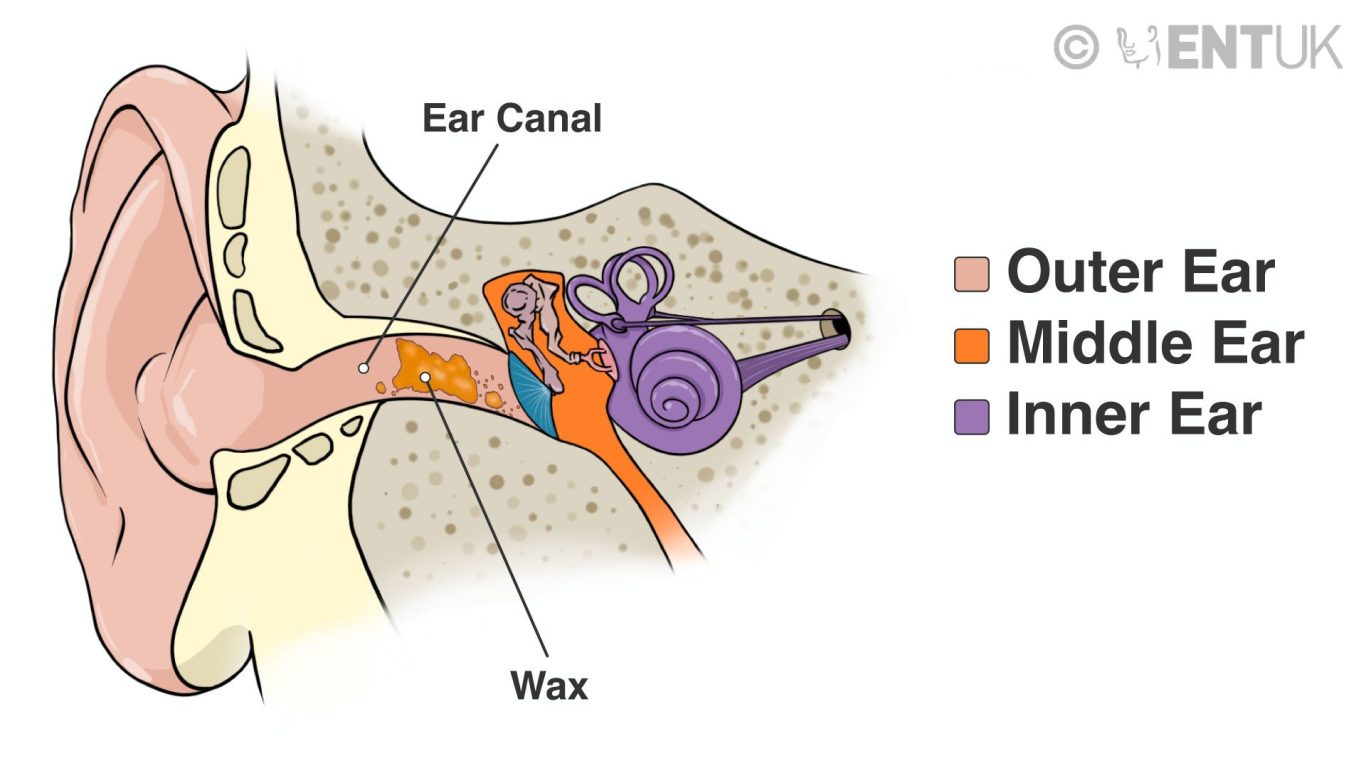
The ear makes wax to keep the ear canal healthy and protect it from germs and dirt. Usually, the wax comes out of the ear on its own. You don't need to use cotton buds or clean your ears.
In some people, their ears don’t clean themselves. This results in wax build-up. Using cotton buds can also cause wax to become stuck in the ear.
Why have I been offered ear microsuction?
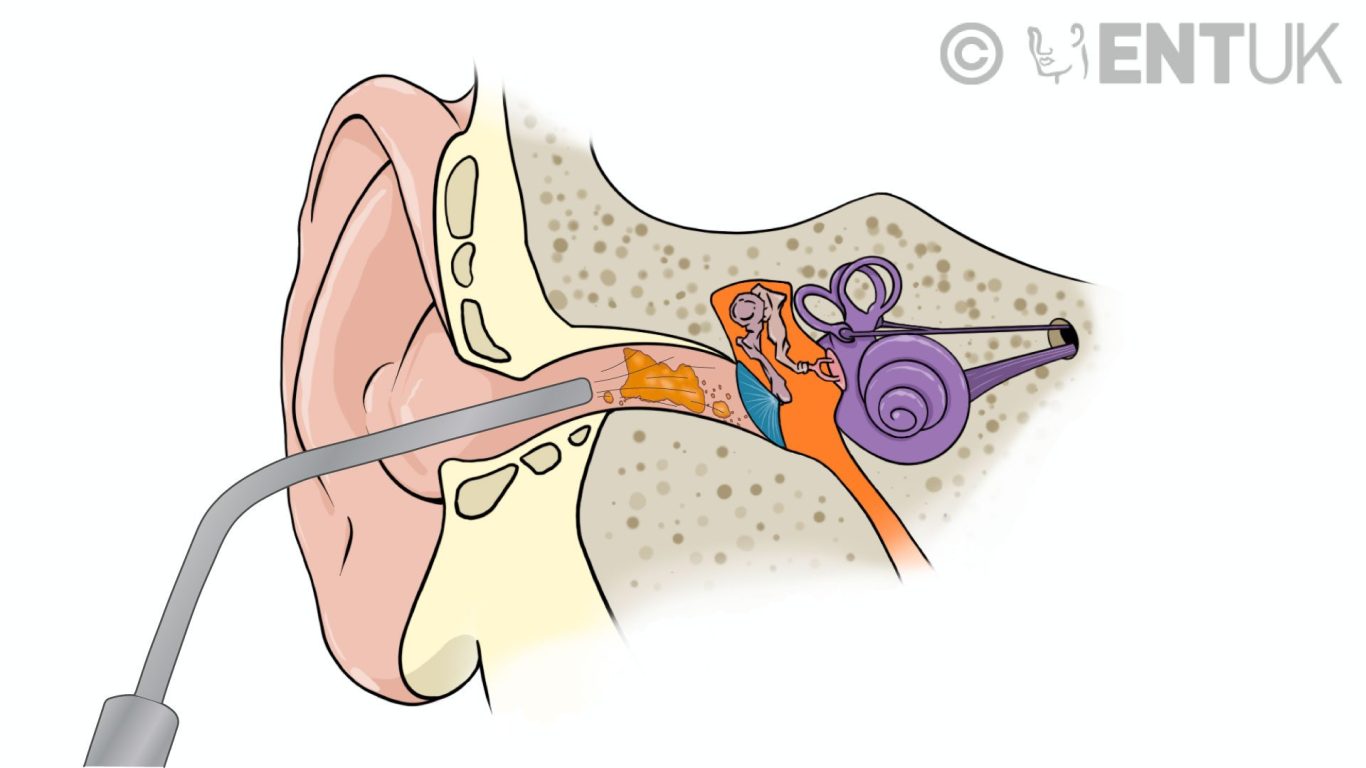
Sometimes, olive oil drops or sodium bicarbonate drops don’t help. Your ears sometimes need to be cleaned. If you are visiting a doctor for ear, nose, and throat issues and your ears have some wax blocking them, the doctor may advise that you need to have your ears cleaned to see them better. The nurse uses a thin tube to suck wax out of the ear canal. This procedure is called ear microsuction.
What to expect with this procedure?
Microsuction is usually well tolerated but there are some common symptoms you might experience:
- It can be loud: sometimes, you might hear a high-pitched screeching sound if something is blocking the suction tube. If you are very sensitive to sound, you can ask your nurse to use other tools to clear your ear instead. This might take longer and be more difficult.
- It can be uncomfortable in your ear: If the wax or foreign object is deep in your ear, you might feel some discomfort.
- It can be uncomfortable in your neck: you might need to turn and tilt your head to the side during the procedure, so let your nurse know if you have neck or back pain.
- It can make you feel dizzy: some people might feel dizzy during the procedure, especially if they've had previous mastoid surgery or feel anxious.
- It can cause coughing: sometimes, touching the skin inside the ear can make you cough.
- It very rarely causes fainting: if you tend to faint, let your doctor know, and you should lie down during the procedure.
You may need to have your ears cleaned more than once: The nurse might not be able to remove the wax or object because it is too painful. The nurse might ask you to use wax softeners and schedule another appointment.
You do not have to take painkillers afterwards. But if you had pain during the procedure then you can take short-term painkillers like paracetamol.
You do not have to avoid getting your ear wet after the procedure. Your nurse will let you know if there is anything you must do following the procedure.

Are there any complications to ear microsuction?
Trauma to the ear canal - 5 in 100 cases
This is uncommon but can lead to pain and bleeding from the ear canal. Once the micro suction has stopped, both usually settle after a few seconds or minutes.
Damage to the ear drum - less than 1 in 10,000 cases
This is very rare. It can cause more severe pain and might cause bleeding, hearing loss, vertigo (spinning sensation) or tinnitus (ringing noise in the ears). The hole in the ear drum usually heals after a few weeks but can be permanent.
Ear canal infection following trauma - 1 in 500 cases
This is rare. You can get an outer ear infection if your ear canal is damaged during micro-suction.
Vertigo - 1 in 200 cases
This can sometimes happen if you have had previous mastoid surgery but may also be caused by damage to the ear drum.
Tinnitus (ringing in the ears) - temporary (1 in 100) or permanent (1 in 5000 cases)
This is unusual. If you are sensitive to noise, you may have tinnitus after having your ear micro-suctioned. This is usually temporary but in very rare cases it can be permanent.
Conductive hearing loss - temporary (1 in 1000) or permanent (<1 in 10,000 cases)
This is rare. It can be caused by objects in the ear canal that are difficult to remove, from blood that has built up because of damage to the ear canal or from damage to the ear drum. In extreme cases, it can be caused by damage to the small chain of bones behind the ear drum, known as ossicles. Most conductive hearing losses are temporary.
Permanent sensorineural (or nerve-related) hearing loss - less than 1 in 10,000 cases
This is extremely rare to develop because of micro-suction. It can also occur from severe injury to the ear drum and the small bones behind the eardrum.

What should I do if I have problems after microsuction?
If you have any problems after the ear wax removal procedure, please contact us at Absolute Health by Nurses clinic for help and advice.